

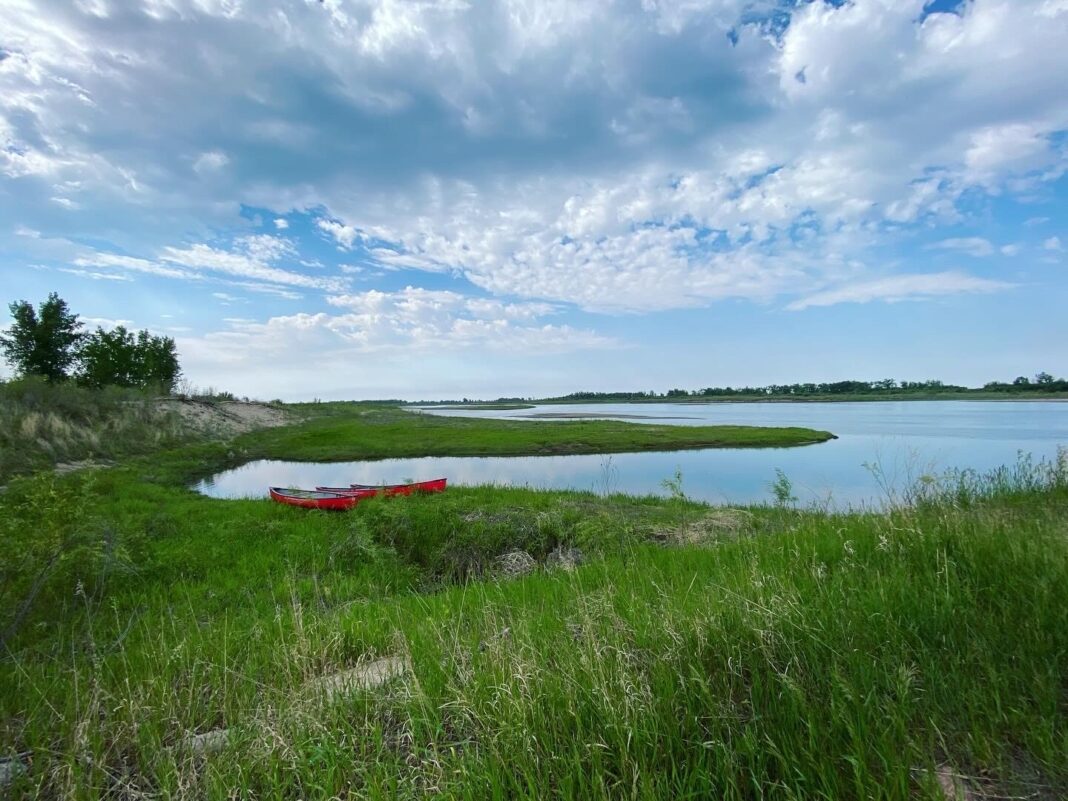

Travel in Saskatchewan means more than wide skies and endless prairie. Here, the stories are deep, the food is rooted in place, and the people invite you not just to visit, but to listen. Over four days, I traced a path through forests, rivers, valleys, and museums—meeting chefs, elders, and storytellers who revealed a province both grounded in its past and alive with possibility.
Batoche: Echoes of Resistance
I was with a group of journalists and accompanied by Saskatchewan Métis chef Jenni Lessard, who added her stories and delicious cuisine to our adventure. The journey began at Batoche National Historic Site, an hour’s drive north of Saskatoon. It was where the Métis fought to protect their land and culture in 1885. Parks Canada interpreter Adam Matheson framed the landscape not just as a battlefield, but as a living reminder of resilience.
“This is where the Métis defended their way of life,” he explained, standing before the modest church of St. Antoine, built just six months before the fighting. Baptisms, weddings, and funerals once echoed within its walls. Today, it stands as a testament to a community that was neither fully European settler nor fully Indigenous, but something distinct—and too often displaced.
Displacement is a recurring theme at Batoche: Métis families who farmed riverfront strips saw their land surveyed and handed to Protestant newcomers. Many moved further west, carrying their culture with them. The annual “Back to Batoche” celebration is a vibrant resurgence of fiddle music, jigging, and traditional food that draws tens of thousands for four days every July.
On our visit, Chef Jenni offered puffed wheat squares, known locally as “Dainties.” Sweet, chewy, and unapologetically prairie, they felt like the perfect counterpoint to a heavy history—proof that culture is preserved not only in archives and monuments, but also in kitchens.
Flora Bora and the Fire Grill
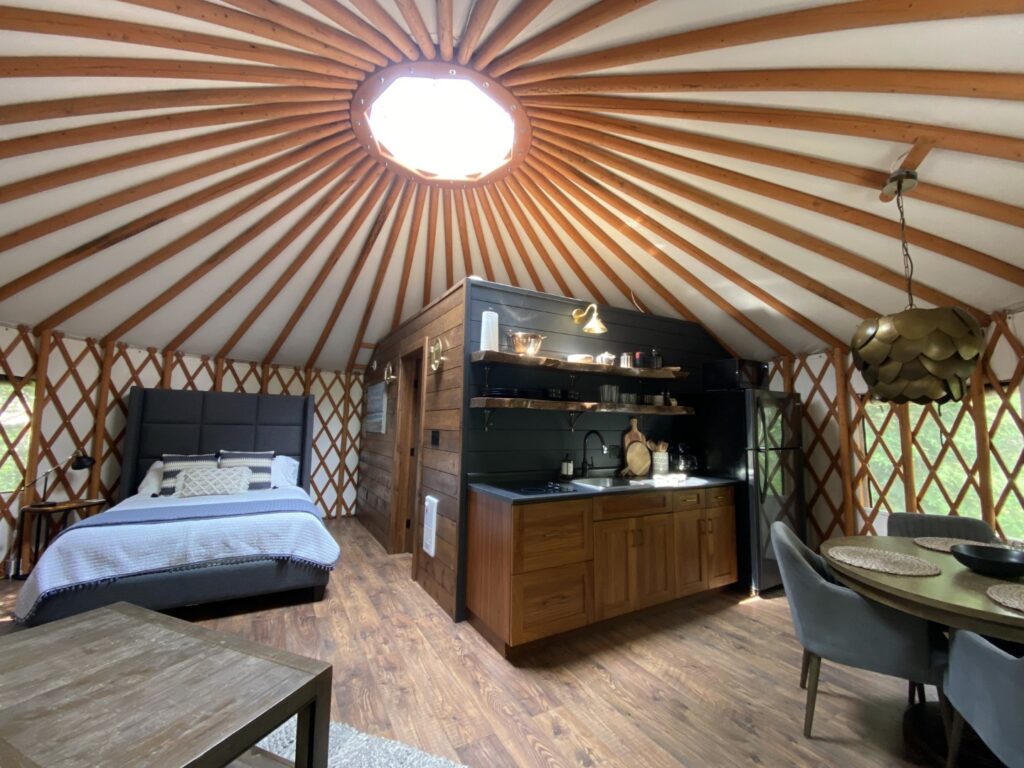
Driving an hour-and-a-half north to Emma Lake, we stopped for lunch at Flora Bora Forest Lodging. A wilderness hideaway, it offers guests three luxe yurts complete with kitchens and bathrooms. Barbequed brats and Saskatoon berries were on the menu, and we gathered to eat outdoors, surrounded by birdsong. We were joined by Flora Bora owner Karen Wasylyk, who recounted how her eco-retreat began with an ornithologist’s wedding in 2009.
“Since then, we’ve hosted everything—even Hallmark movies,” she said with a smile.
From there, we hopped in our van and drove to Saskatoon, passing from the green boreal forest into endless fields of golden wheat. Our accommodation was at Dakota Dunes Resort, owned and operated by the Whitecap Dakota First Nation. That night, dining at the hotel’s Moose Woods Home Fire Grill, we feasted on pickerel cheeks, steak, and candied fish.
A highlight of our stay at the resort was a cultural exchange with Whitecap Dakota First Nation Elder Freda Greer. She spoke of her life, from farming in Luseland to surviving residential school. Pointing to a quilt adorned with a star, she explained its meaning: “It symbolizes health, healing, happiness, hope, and love. The quilt means a lot to me. It’s my mother’s love, my aunties’ love.”
At 76, Freda now works at the community health center. “I also quilt,” she added softly. “I didn’t know this one was a gift for me when I first saw them making it.” Her words, like her presence, stitched past and present together with remarkable grace.
Canoes and Culture
The next day carried us onto the South Saskatchewan River, guided by paddlers Dru Swain (Whitecap Dakota) and Kheaven Dumais (French Cree). The rhythm of paddling recalled the voyageurs who once sang to keep time along these same waters. The outing wasn’t just an exercise; it was cultural sharing in motion.
Evening brought us back to Dakota Dunes Resort, where the sense of connection—between land, water, and people—felt as essential as rest.
Dinosaurs and Draft Beer
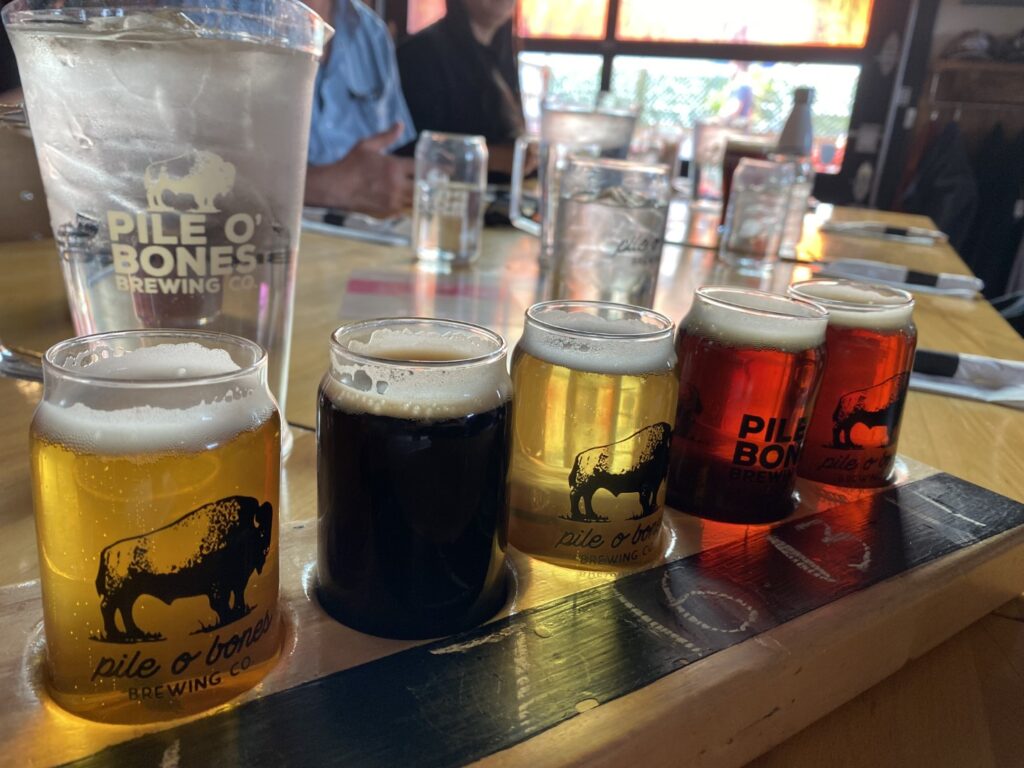
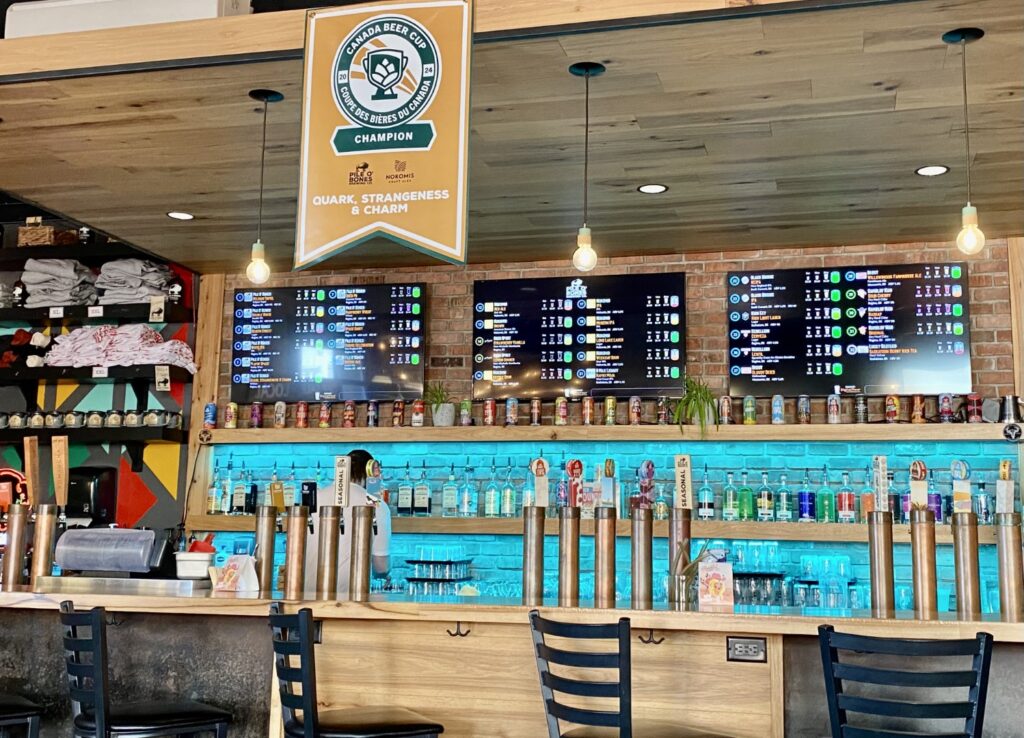
If Saskatchewan’s cultural stories reach back centuries, its natural ones stretch millions of years. A two-and-a-half-hour drive south brought us to Regina, where we lunched at Pile O’ Bones Brewing Co. (the Oxpecker ale being a crowd favorite). Then it was time to go and meet Regina’s resident monster.
Scotty, the world’s largest T Rex, resides at the Royal Saskatchewan Museum. Discovered in 1991, the fossil took nearly 20 years to excavate from ironstone. In 2019, it went on display, instantly becoming a star.
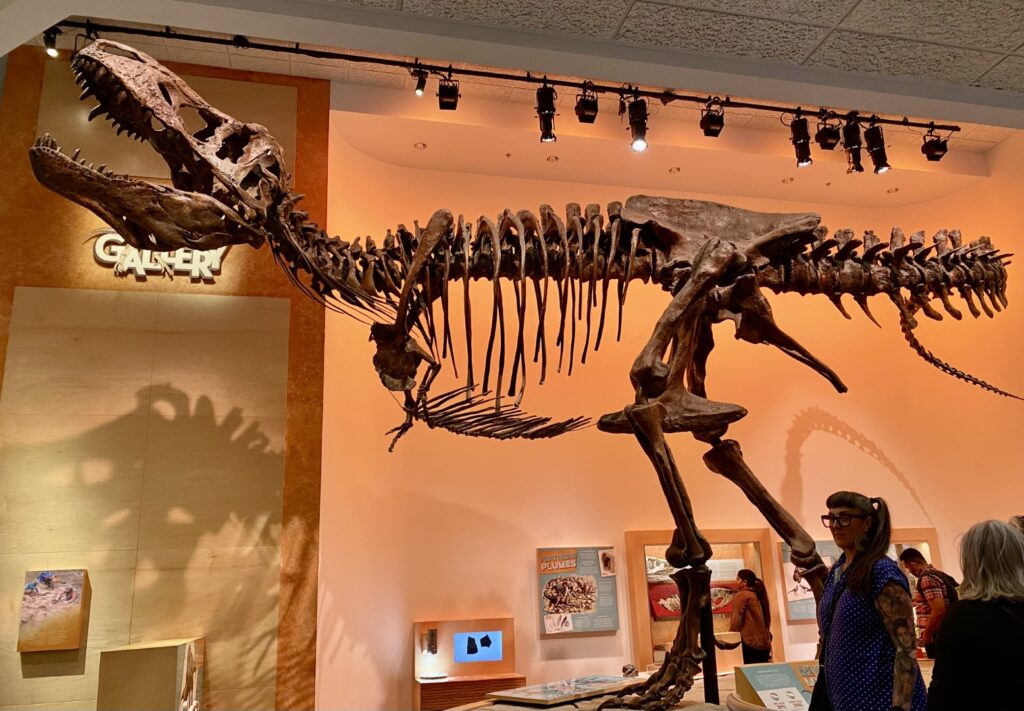
“The team celebrated with a bottle of scotch, and the name stuck,” our museum docent explained.
Towering above us, Scotty offered a reminder that this land has always held giants, both literal and figurative. After all, Tommy Douglas, the premier for 17 years, is the one who brought universal health care to the country. And singer-songwriter Joni Mitchell’s music is infused with nods to her home province, especially on Songs of a Prairie Girl.
Policing the Prairie
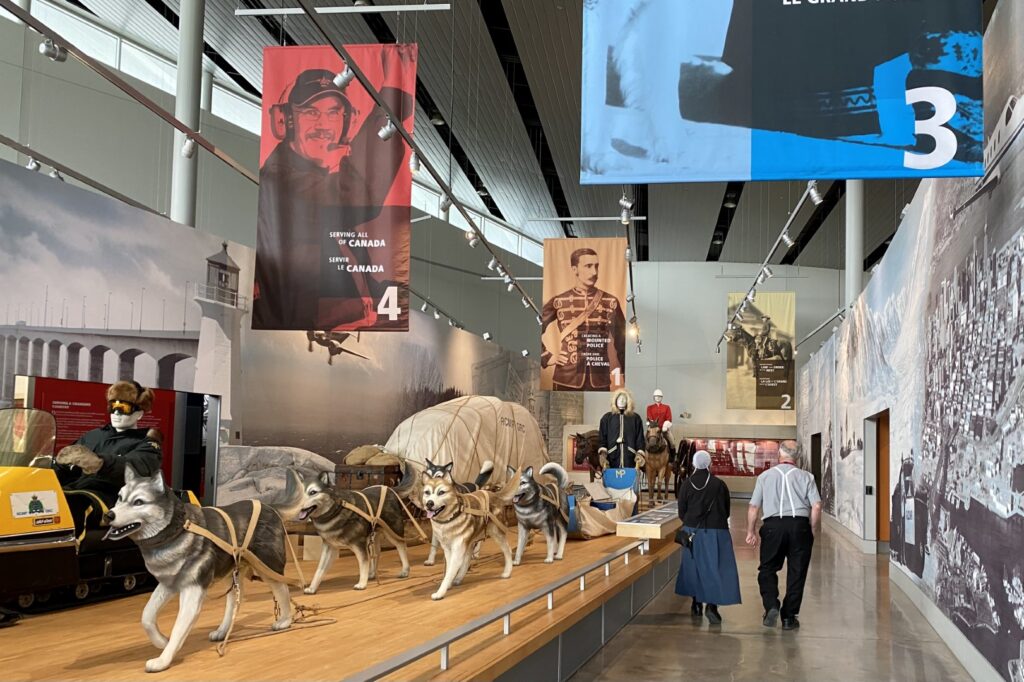
The following morning began at the RCMP Heritage Centre, where director Mark Veneziano traced the history of Canada’s national police force. From its origins as the Northwest Mounted Police in 1873 to a force with 20,000 officers today, the RCMP’s story is both complex and evolving.

The most poignant space at the centre was the “Place of Reflection,” an outdoor medicine wheel-shaped memorial for Missing and Murdered Indigenous Women and Two-Spirit people. Designed by Indigenous artist Lyndon De Dendis, it is awakened each May and put to rest in October.
“This is a place to mourn, but also to commit to reconciliation,” Veneziano said.
The RCMP, like the province itself, carries histories both proud and painful. The non-profit centre operates independently and does not dig much into the hurtful past of intolerance that we read about in today’s news. But it does provide context on the birth of the force and its current status.
A Meal in the Valley
From Regina, we wound into the Qu’Appelle Valley, where Chef Jenni Lessard welcomed us into her home in Lumsden. The table was filled with rainbow trout, bannock, and coffee-baked lentils, paired with locally produced Wolf Willow fruit wine.
The meal felt less like a lunch stop and more like a family gathering. Food and stories blended seamlessly, each nourishing in its own way.
Closing the Circle
Our trip ended in Saskatoon, with a final dinner at the Alt Hotel. Around the table, laughter and stories filled the air, the threads of the past few days weaving into something whole.
Saskatchewan revealed itself as more than a destination. It is a place where food, history, and culture are inextricably linked; where resilience is not a relic of the past, but a living, breathing force. From the fiddle music of Batoche to the quilt of Elder Freda, from Scotty’s prehistoric bones to the bannock on Chef Jenni’s table, this journey offered a tapestry stitched with health, healing, happiness, hope, and love.