

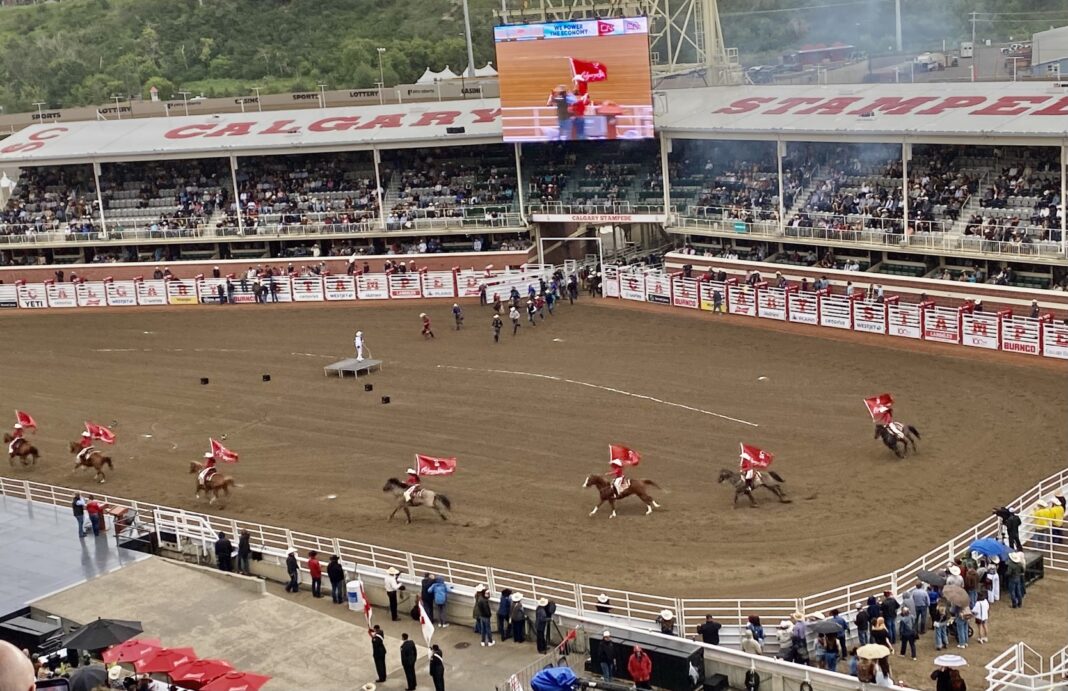

Underneath the wide, blue canopy of the Alberta sky, Calgary hums with energy. Some residents describe it as a “boom and bust” community. That’s due to the roller coaster climbs and dips that its economy–oil patch–driven– experiences. But come early July, no matter what’s happening in our gas tanks, Calgary booms. For 10 days, the Calgary Stampede pumps high-octane fuel into the city.
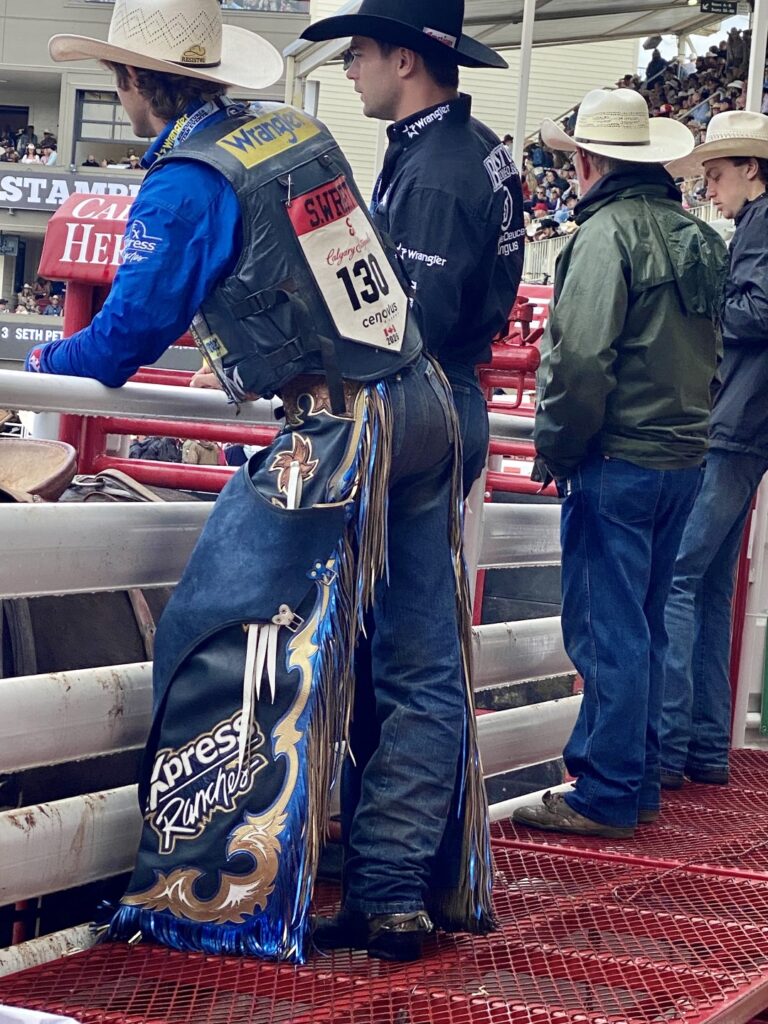
Also known as the “Greatest Outdoor Show on Earth”, this 114-year-old celebration intoxicates all who encounter it. From bucking broncos, heavy-horse pulls, and chuckwagon races, the rodeo portion of the event sizzles with adrenaline. Then there’s the midway, with real roller coasters and wacky foods, concerts with country-music chart toppers, and a powwow that swirls with a kaleidoscope of colour drenched regalia.
Before I set foot in that rushing river, I wanted to get a grip on the history and legacy of the Stampede.
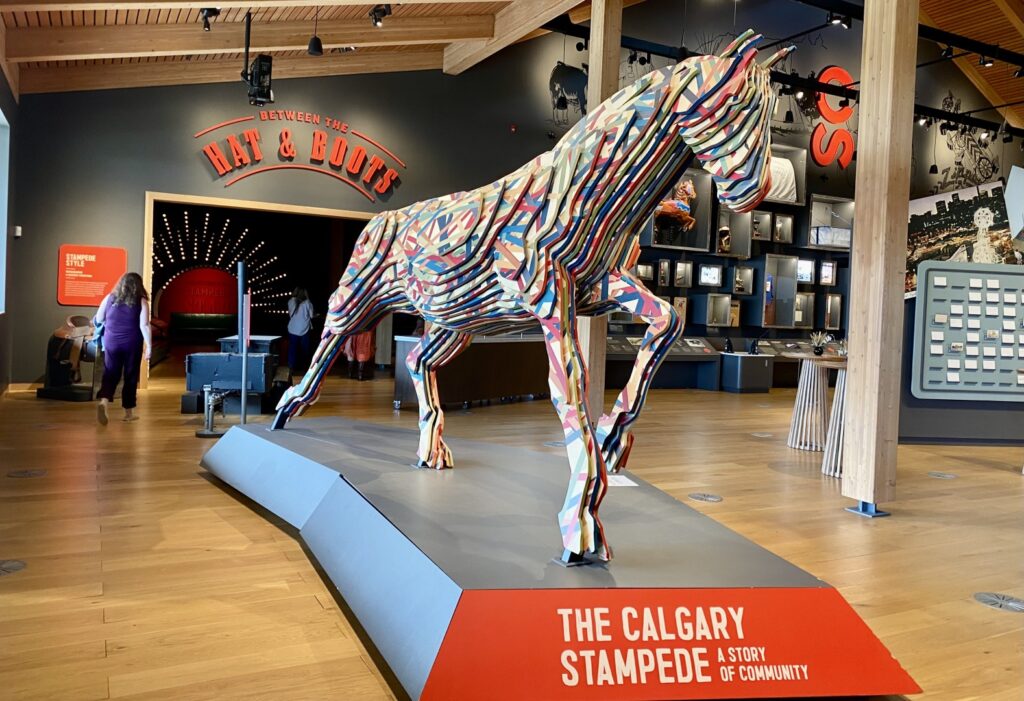
First stop was the Sam Centre. Opened in 2024, the building houses a museum of artifacts, exhibits, and a café. Jennifer Holm, the centre’s manager, explained that Calgary traces its roots back to 1886 when it began as a humble agricultural hub.
“It’s a tale of grit and resilience, built on the shifting fortunes of a boom-and-bust economy,” she explained.
After watching a video and cruising past the glass cases, I grasped the stories of the folks who put this event on the map: early homesteaders, legendary rodeo stars, and classic cowboy crooners like Roy Rogers and Wilf Carter. Not to mention the big names who served as parade marshals, including Bing Crosby, Bob Hope, and more recently Kevin Costner and Shania Twain.
The Stampede opened in 1912, the vision of American promoter and trick roper Guy Weadick. He garnered backing from local cattle barons to fund a massive frontier rodeo with glittering cash prizes. Treaty 7 First Nations were invited from the start. They set up teepees in what was then called the Indian Village (Now Elbow River Camp), led the parade, and shared their culture. Weadick was adamant they be included and celebrate their traditions. It was a progressive stance since other factions around the country, including the federal government, were determined to have Indigenous people assimilate into Western culture.
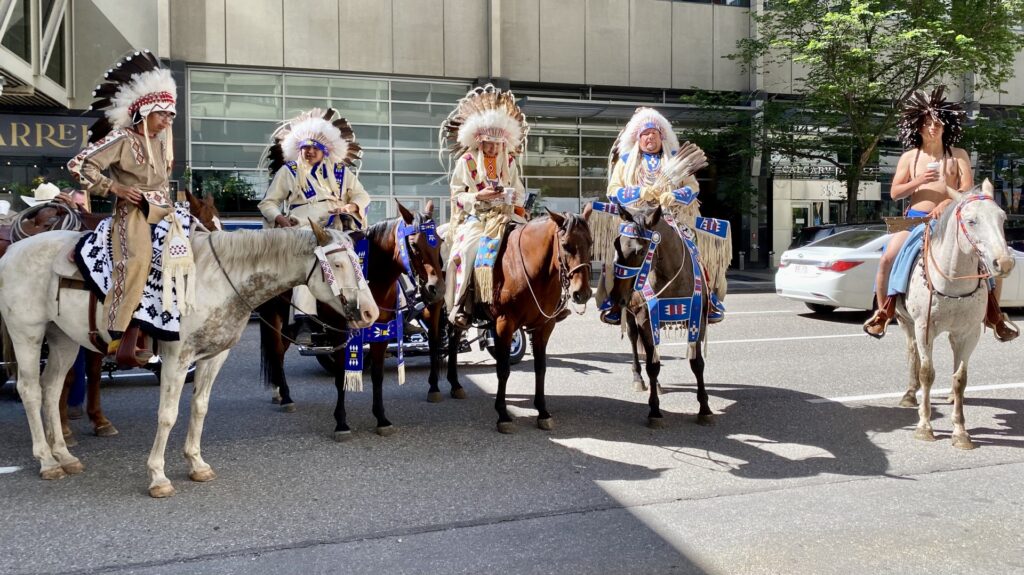
The now iconic chuckwagon races and pancake breakfasts were introduced in 1923.
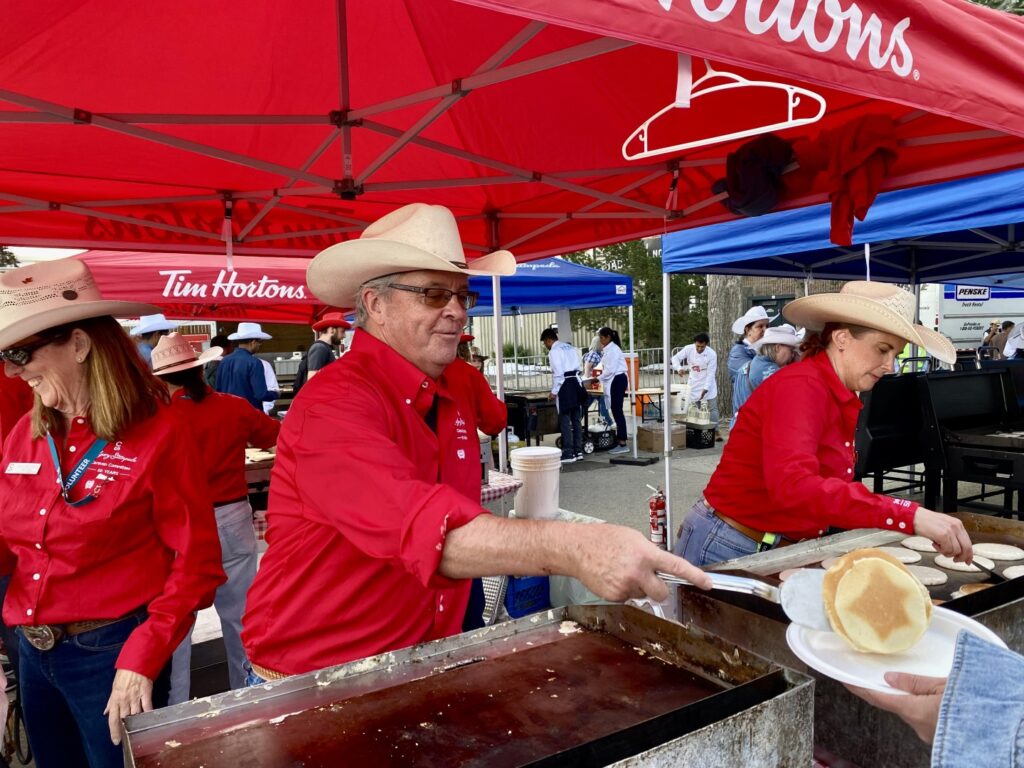
These days the Stampede hosts more than a million visitors every year. For 10 days, locals dust off their cowboy hats and boots, pancake breakfasts spring up all over town, and a fleet of sponsor GMC courtesy cars ferry dignitaries and VIPs to meetings and events. Holm was proud to tell me about the citizens’ devotion.
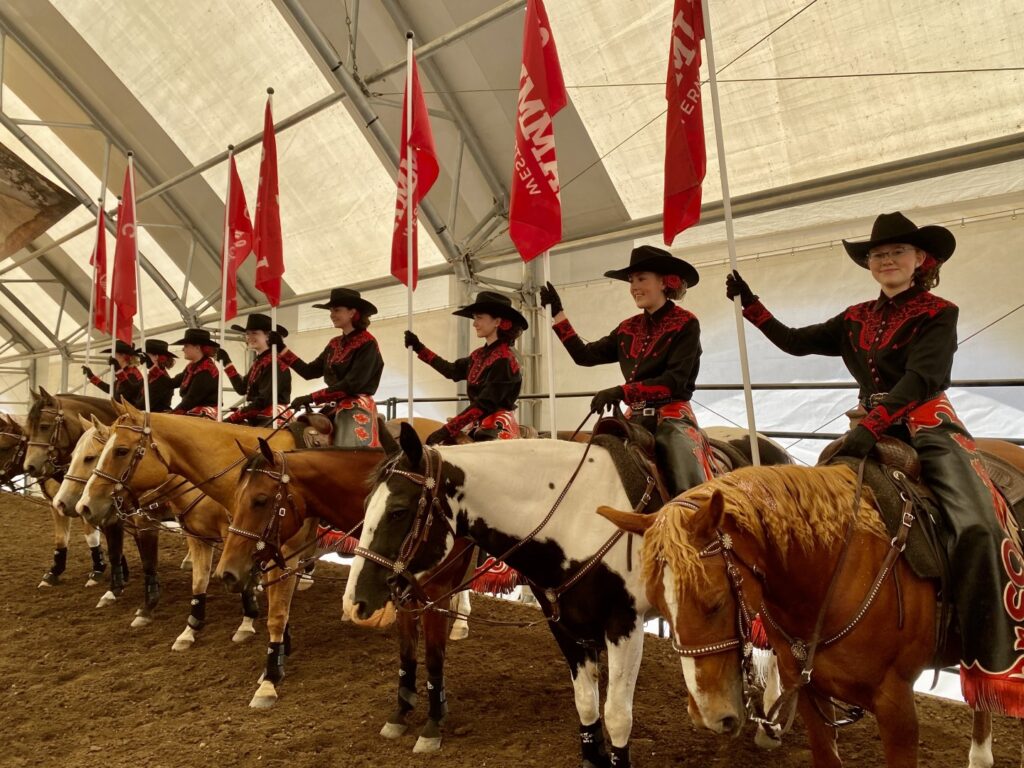
“An army of 2,500 volunteers helps year-round. Plus every year a Stampede Princess and a First Nations Princess are chosen to act as ambassadors, traveling throughout the world spreading the word.”
I wanted to know more about the Indigenous participation. One of the first places on the Stampede grounds I headed was the Elbow River Camp.
I was lucky to have Vanessa Stiffarm, of the Blackfoot (Siksikaitsitapi) Nation, as my guide. Acting as First Nations Princess in 1916, she is now the Elbow River Camp co-ordinator.
What do princesses actually do?
“I worked harder than I ever have before as Princess. As ambassador, you are judged on your horsemanship, public speaking, and community involvement. I traveled a lot and even went to Australia twice representing the Calgary Stampede.”
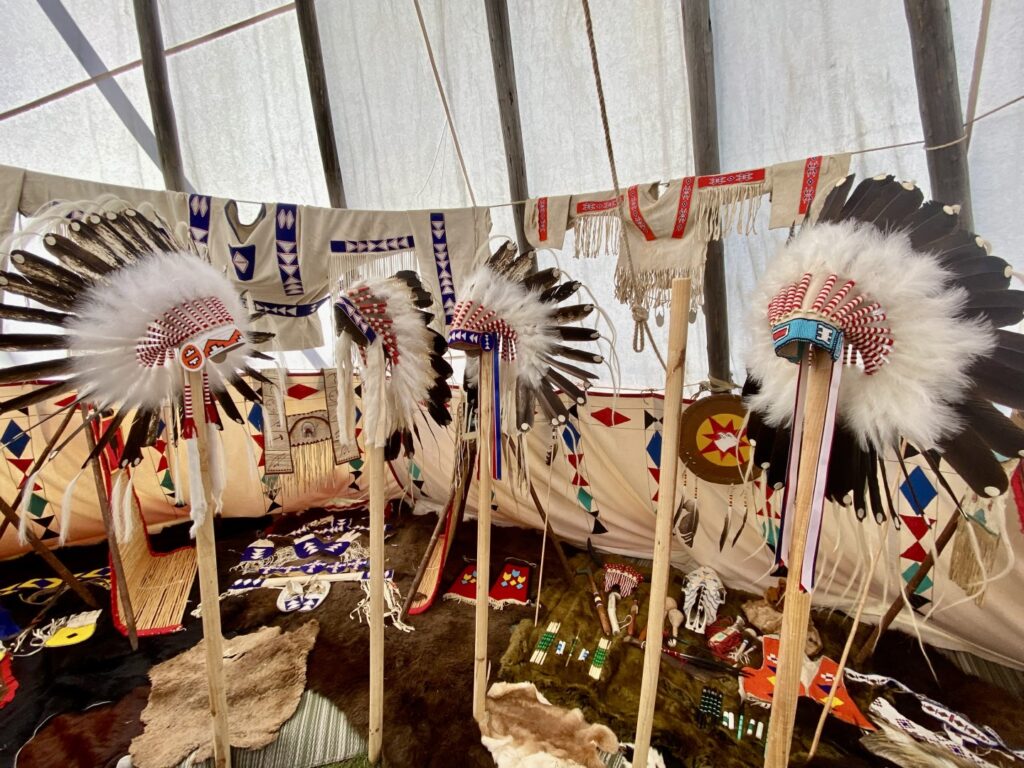
Long before the first grandstand was raised, this land at Elbow River was a traditional gathering place. Today, the camp represents Treaty 7 Nations. Each teepee is adorned with symbols that mark a different nation.
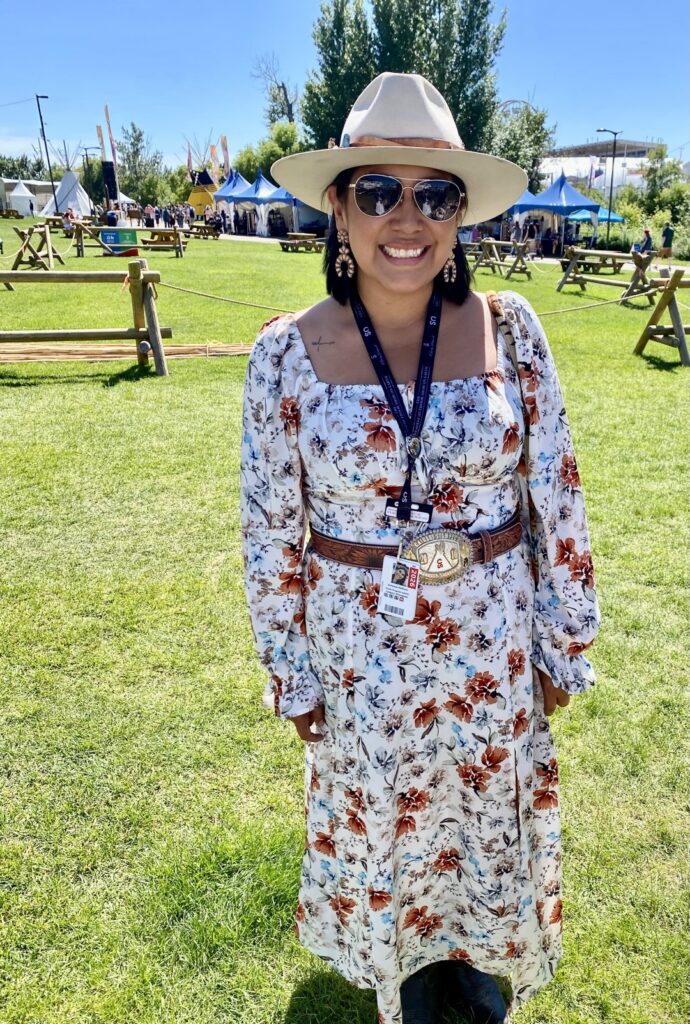
“In the early days of the Canadian reserve system, Indigenous peoples were forbidden to leave their reserves or practice their cultural traditions. The Stampede in 1912 carved out a unique exception. Guy Weedic fought to include our peoples. He made it safe for our culture. We got to be ourselves and wear our full regalia in the parade.”
Elbow River Camp is still home to 26 family teepees, structures and traditions that have been proudly passed down through generations since the beginning of the Stampede. To wander through the camp is to experience a generous sharing of culture. Each day at noon, guests are invited to come by, ask questions, engage with camp representatives, and learn about the connections to the land.

My timing was right, and I was able to take in the powwow, held in a building nearby. Chiefs and other First Nations representatives in traditional regalia circled the area floor during the Grand Entry. Diverse dance competitions, drumming, and singing followed. My favorite was the hoop dance where a dancer tells stories with interlocking hoops, shaping them into animals, birds, and butterflies.
The last time I attended the Stampede, I was 17 and selling cowboy hats on the midway. Back then I didn’t have the money to attend any of the rodeo competitions.
This time, I made sure to line up as many as possible.
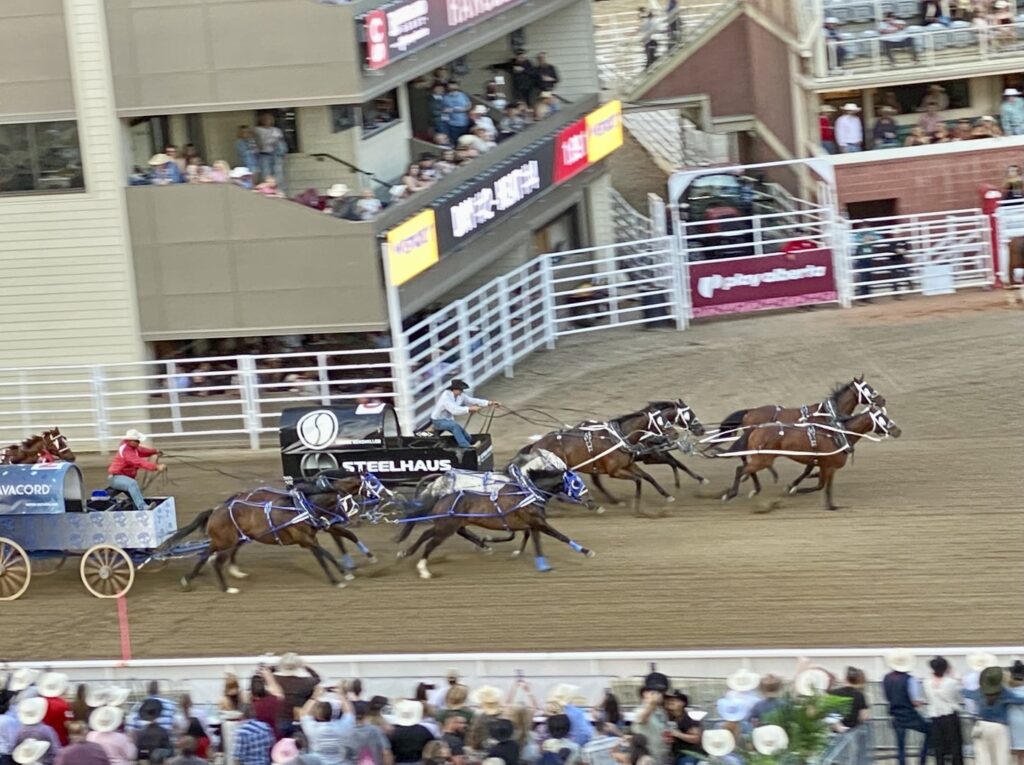
The chuckwagon races are one of the most exciting and controversial events at the Stampede. Originating in 1923 as a homage to the heavy wagons that once crossed the prairie trails, the race quickly became a staple of the event. Y
Yet, with speed and intensity came danger. To this day, many folks refuse to attend due to what happened more than 40 years ago.
In 1986, a crash occurred when a horse tripped on a dangling stove rack. The resulting pileup caused the deaths of several horses.
What followed was a complete, systematic overhaul of safety protocols and competitive guidelines, transforming the race into a showcase of modern veterinary science and rigorous animal welfare.
Today, the races look very different from the former wild scrambles. Wagons no longer carry actual heavy iron stoves; the number of competing wagons on the track has been reduced from four to three to give the teams ample room to manoeuvre, and foam padding lines the inner rings.
A partnership with the University of Calgary’s Faculty of Veterinary Medicine ensures that every decision made on the track is backed by empirical research. Safety is
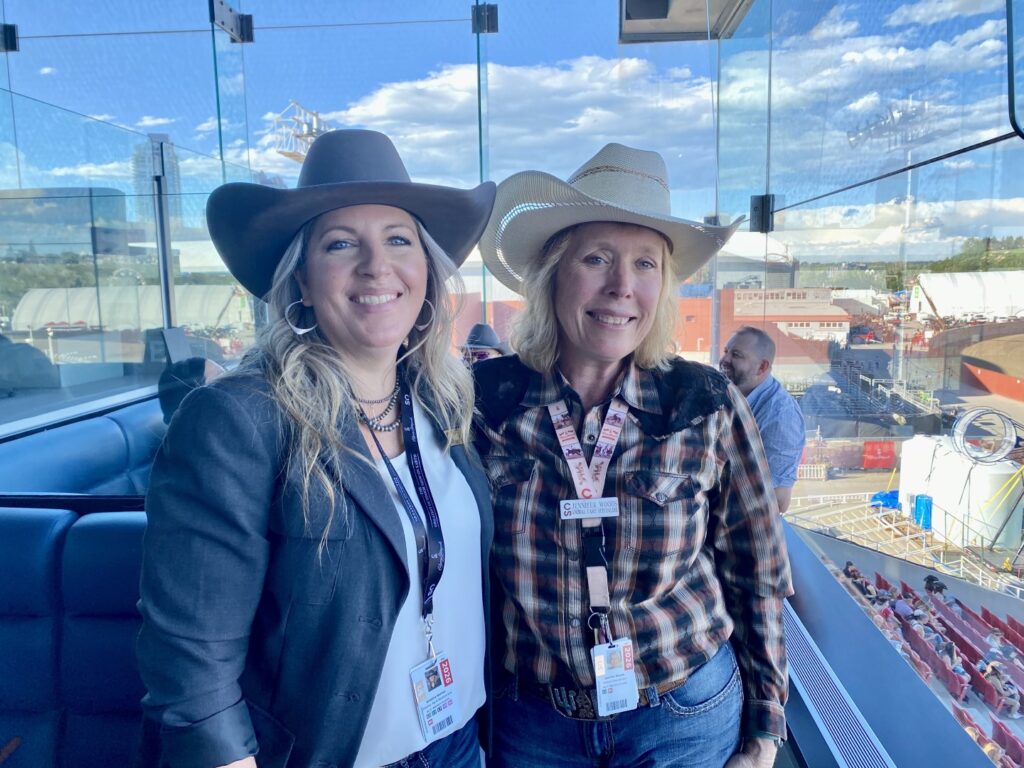
To understand the depth of this commitment, I spoke with Jennifer Woods, a certified animal welfare auditor. Holding a Master’s degree in Veterinary Preventative Medicine from Iowa State University and certified since 2007, Woods regularly inspects Canadian equine operations to ensure they meet the highest possible standards. Her partnership with the Stampede, alongside Kristina Barnes, Director of Agriculture and Western Events, has revolutionized how the animals are managed.
“These animals are like family. One injury is too much,” Woods stressed.
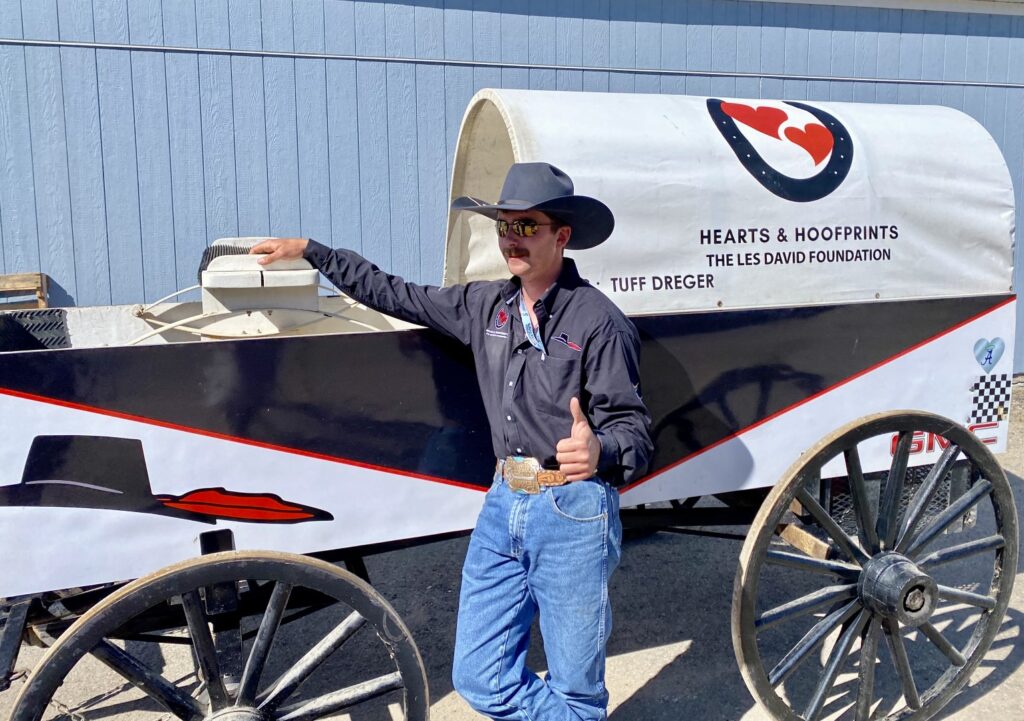
Under their watchful eyes, only the safest, most skilled chuckwagon drivers are invited to compete. The selection process is meticulous, and the standards are strictly enforced.
Managing the safety of more than a thousand animals brought in for the chuckwagon races and the rodeo is an extraordinary logistical feat. While the Calgary Stampede owns its own ranch to breed and raise stock, many of the competing animals arrive with their private owners.
To protect them, a pioneering “Fitness to Compete” program was introduced by Woods. Every horse is microchipped, allowing veterinarians to track their medical histories, monitor their rest days, and enforce strict, mandatory rest schedules. This system has dramatically reduced heart and breathing strains in the horses, leading to track mortality rates that are lower than those of standard commercial racetracks. The success of these protocols has been so profound that the Professional Chuckwagon Association has adopted similar standards across their own circuit.
“I feel I’ve made a difference. I represent the animals. I’m proud of my work and of the Stampede brand. This is my home,” notes Woods.
In a world that often gallops forward and doesn’t look back, Calgary holds onto its history with both hands. The Stampede is where you’ll find the stories that built the West. Whether you come for the heart-stopping thrill of the rodeo, the proud beauty of the Elbow River Camp, or the simple joy of a parade, you leave with a piece of the prairie spirit sewn into your heart.